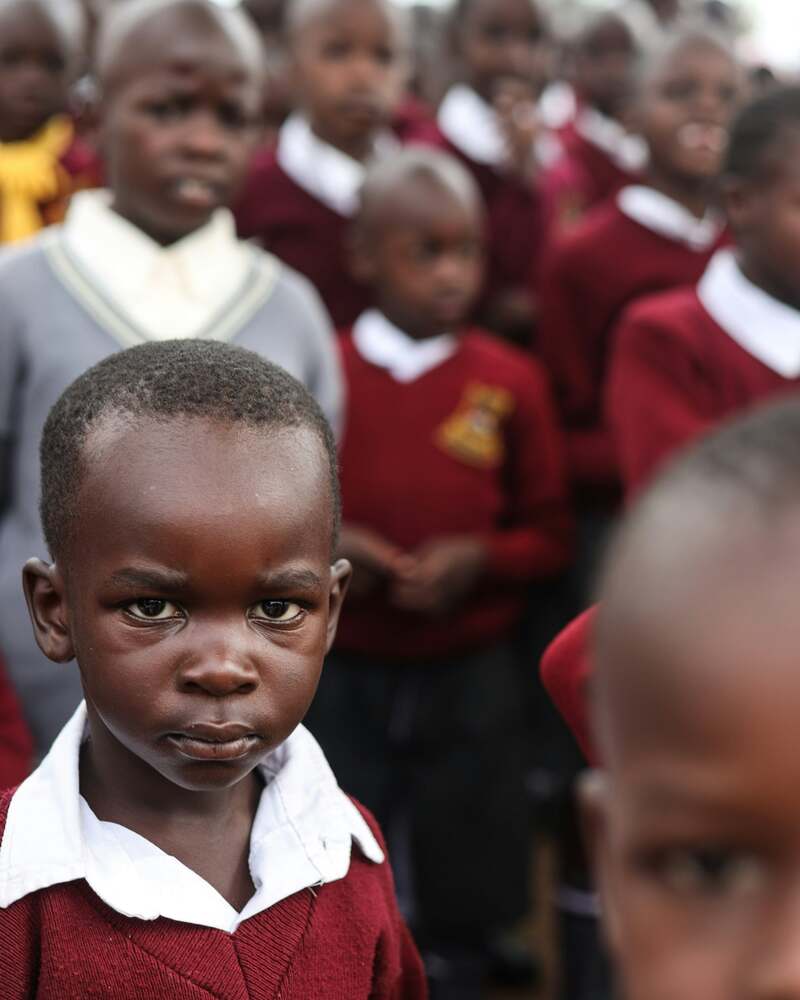
What the work looks like
The Child Development and Protection programme works with children, caregivers, churches, schools and government services to prevent harm and help families respond when a child is at risk.
Through Channels of Hope for Children, faith leaders and community volunteers learn to recognise child protection concerns and promote safer practices in churches and homes. Parents and caregivers take part in discussions on positive parenting, while mentor clubs give adolescents a place to learn and receive guidance. Child Protection Committees help communities identify concerns, make referrals and follow up with the relevant services.
In Kajiado, 11 active Child Protection Committees coordinate awareness, reporting and referrals, according to the 2025/26 annual programme report. Churches, schools, local administration and government child protection services work alongside these committees. The programme also addresses barriers faced by people with disabilities and other excluded groups, including access to services and opportunities to take part in community life.
Areas of focus
- Community child protection committees and referrals
- Positive parenting and safer homes, churches and schools
- Adolescent mentor clubs and child rights awareness
- Disability inclusion and access to community services
- Peacebuilding and social cohesion
Peace and social cohesion
Peace and social cohesion form part of our protection and social inclusion work. We work with local leaders, faith communities, women, young people and public structures to support dialogue, address tensions and strengthen inclusive community relationships.
- Community dialogue and peacebuilding
- Conflict-sensitive programme design
- Local leadership and inclusive planning